How Much Is Car Tax on an Electric Car in the UK? 2026/27 Rates Explained
EVs now pay UK road tax: £10 in year one, then £200 a year, or £640 if the list price was over £50,000. Official 2026/27 rates with worked examples.
Cars first registered on or after 1 April 2017 pay vehicle tax based on CO2 emissions for the first year, then a standard rate of £200 a year for petrol, diesel, electric and alternative-fuel cars. Zero-emission cars pay £10 in the first year.
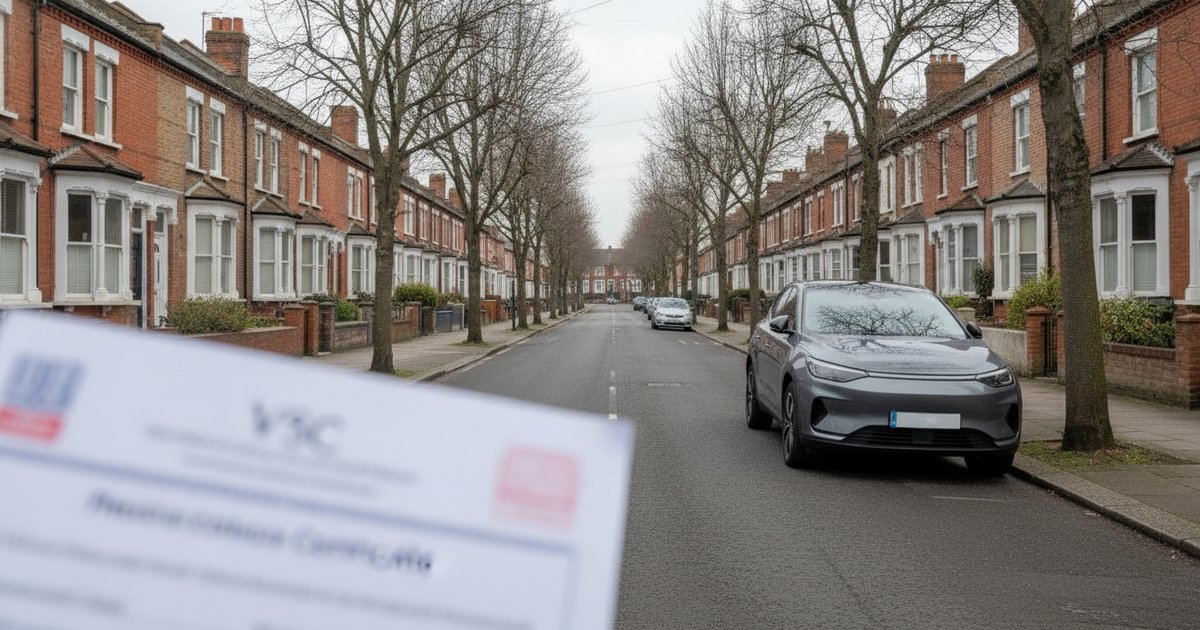
Cars first registered on or after 1 April 2017 pay vehicle tax based on CO2 emissions for the first year, then a standard rate of £200 a year for petrol, diesel, electric and alternative-fuel cars. Zero-emission cars pay £10 in the first year. An expensive car supplement of £440 a year applies for five years from the second tax payment if the list price was more than £40,000 (petrol or diesel) or more than £50,000 (electric).
This guide covers all cars under the post-2017 system, not only electric models. Official rates come from GOV.UK. For a quick estimate from CO2 and list price, use the free car tax calculator.
Contents
When you first register a car on or after 1 April 2017, you pay a 12-month tax based on the vehicle’s CO2 emissions. Diesel cars that do not meet the Real Driving Emissions 2 (RDE2) standard pay higher rates in several mid bands. Ask the manufacturer if you are unsure about RDE2.
| CO2 emissions | Petrol, RDE2 diesel, alternative fuel, zero emission | Other diesel |
|---|---|---|
| 0g/km | £10 | £10 |
| 1 to 50g/km | £115 | £135 |
| 51 to 75g/km | £135 | £280 |
| 76 to 90g/km | £280 | £365 |
| 91 to 100g/km | £365 | £405 |
| 101 to 110g/km | £405 | £455 |
| 111 to 130g/km | £455 | £560 |
| 131 to 150g/km | £560 | £1,410 |
| 151 to 170g/km | £1,410 | £2,270 |
| 171 to 190g/km | £2,270 | £3,420 |
| 191 to 225g/km | £3,420 | £4,850 |
| 226 to 255g/km | £4,850 | £5,690 |
| Over 255g/km | £5,690 | £5,690 |
These first-year figures are taken from the official cars registered on or after 1 April 2017 table on GOV.UK vehicle tax rate tables. Some motorhomes use the same first-year approach. The payment covers the vehicle for 12 months from first registration.
Higher CO2 bands rise steeply. A petrol car at 160g/km pays £1,410 in year one, while a car over 255g/km pays £5,690. That is why published CO2 figures on the V5C and sales paperwork matter when you budget for a new car.
From the second tax payment onwards, cars in this system pay a flat standard rate regardless of CO2. For petrol, diesel, electric and alternative-fuel cars the single 12-month payment is £200. Paying by 12 monthly Direct Debits totals £210. A six-month payment is £110, or £105 by Direct Debit for six months.
| Payment method | Amount |
|---|---|
| 12 months, single payment | £200 |
| 12 months by Direct Debit (single) | £200 |
| 12 monthly Direct Debit payments (total) | £210 |
| 6 months, single payment | £110 |
| 6 months by Direct Debit | £105 |
Alternative fuel vehicles include hybrids, bioethanol and liquid petroleum gas. They now share the same £200 standard rate in this table as petrol, diesel and electric cars. Electric cars also pay the standard rate after the first year under the current GOV.UK table for post-2017 cars.
Monthly Direct Debit costs £10 more over the year than a single £200 payment. If cash flow allows, paying once a year is cheaper.
You pay an extra £440 a year if the car or motorhome had a list price of more than £40,000 for petrol or diesel models, or more than £50,000 for electric models. The supplement lasts five years from the second time the vehicle is taxed. Combined with the £200 standard rate, that is £640 for a 12-month payment while the supplement applies.
List price means the published price before first registration and before discounts. Check the figure with the dealer. Zero-emission vehicles registered before 1 April 2025 do not pay the expensive car supplement. Electric vehicles registered between 1 April 2025 and 31 March 2026 are brought into the supplement rules as stated on GOV.UK.
| Payment while supplement applies | Amount |
|---|---|
| 12 months, single payment | £640 |
| 12 months by Direct Debit (single) | £640 |
| 12 monthly Direct Debit payments (total) | £672 |
| 6 months, single payment | £352 |
| 6 months by Direct Debit | £336 |
After five years of the supplement, tax returns to the standard £200 rate (or the payment method equivalents) unless other rules change. Budget for the drop when you model long-term ownership costs.
Under the post-2017 system, fuel type mainly changes the first-year bill through CO2 and the diesel RDE2 column. From year two, the standard rate is the same £200 across petrol, diesel, electric and alternative fuel in the GOV.UK table summarised here.
Hybrids usually sit in mid CO2 bands for year one, then join the £200 standard rate. Pure electric cars with 0g/km pay £10 in year one, then £200 thereafter, plus the expensive car supplement when list price exceeds £50,000 and the registration date brings them into that rule.
For EV-specific context and political debate around electric motoring costs, see our dedicated electric car tax UK 2026 article. This page keeps the full CO2 band table so petrol and diesel buyers can cost a purchase accurately.
Company cars may also face benefit-in-kind tax that is separate from vehicle tax. Do not confuse VED with company car tax percentages.
Cars first registered before 1 April 2017 use older vehicle tax systems based on engine size or earlier CO2 tables. Those rates are published in separate GOV.UK tables and are not reproduced in full here. If your V5C shows a registration date before 1 April 2017, look up the matching pre-2017 table rather than the bands above.
When you buy a used car, the registration date on the V5C decides which system applies for future renewals. A 2016 car does not move onto the post-2017 first-year CO2 schedule simply because you tax it in 2026.
Always tax the vehicle before the expiry date shown on the reminder. Driving or keeping an untaxed vehicle on a public road can lead to penalties and clamping. You can tax online with a reference from the reminder letter, V5C or last log book.
Find CO2 emissions and the exact registration date on the V5C registration certificate. For a new car, the sales pack and WLTP figures should match what DVLA records at first registration. Confirm list price in writing if the vehicle might cross £40,000 or £50,000.
The car tax calculator on this site follows the same official bands for a quick crossover check before you buy.
These examples use the post-2017 standard rate and expensive car supplement only. They ignore first-year CO2 tax, fuel, insurance and clean air charges so you can see VED alone.
Example A: a petrol hatchback well under £40,000 list price with first-year CO2 tax in a mid band, then £200 each year afterward. Five standard years after year one cost £1,000 in standard VED alone.
Example B: a diesel that fails RDE2 at 131–150g/km pays £1,410 in year one, then £200 a year. The first-year penalty is the main hit.
Example C: an electric car with 0g/km and a £55,000 list price that falls under the expensive car supplement. Year one is £10. Years two to six are £640 each while the supplement runs, which is £3,200 over five years, before returning toward the standard rate afterward.
Example D: the same electric car with a £48,000 list price stays under the £50,000 electric threshold, so years two to six are £200 each (£1,000 total) after the £10 first year. List price therefore changes long-run VED by thousands of pounds even when the discounted invoice price looks similar.
Run your own CO2 and list price through the car tax calculator before you sign a finance agreement. Dealers sometimes quote monthly finance without spelling out five years of expensive car supplement.
If you do not use a vehicle on public roads you can make a Statutory Off Road Notification (SORN). You must tax or SORN a vehicle; you cannot simply let tax lapse. GOV.UK explains how to declare SORN and when a refund of remaining tax may apply.
When you sell a car, tax is no longer transferable to the new keeper in the way older rules once allowed. The new keeper taxes the vehicle themselves. Hand over the V5C correctly and keep the seller section as proof.
Export and scrap processes also interact with vehicle tax. Follow the DVLA steps for each route so you are not chased for tax on a vehicle you no longer keep.
Classic and historic vehicle reliefs exist for some older vehicles under separate rules. They do not rewrite the post-2017 CO2 first-year system for modern cars described in this guide.
Fleet managers should track renewal dates and note which vehicles still carry the expensive car supplement. Private buyers can set a calendar reminder a month before expiry.
A small change in CO2 can jump you into a much more expensive first-year band, especially above 130g/km where the steps widen. Optional extras that raise the published list price can also push a car over the expensive car threshold even when the discounted price you pay is lower.
Rates can change in future Budgets. The figures in this article match the GOV.UK tables as checked on 18 October 2026.
Fleet managers should track renewal dates across the whole fleet and note which vehicles still carry the expensive car supplement. A spreadsheet with registration number, first registration date, CO2, list price flag and next due date prevents missed renewals. Private buyers can do the same with a calendar reminder a month before expiry.
If you export a car, scrap it or take it off the road with a Statutory Off Road Notification (SORN), different DVLA rules apply and you may be entitled to a refund of unused tax. Apply through GOV.UK rather than assuming a dealer will handle every step when you sell.
Finally, remember that congestion charges, clean air zone charges and fuel or electricity costs dwarf VED for many urban drivers. Vehicle tax is only one line in the total cost of ownership, but it is the line that is fixed by CO2 and list price at the moment you choose the car.
For cars registered on or after 1 April 2017, the standard 12-month rate is £200 after the first year.
£10 for 0g/km CO2 under the post-1 April 2017 table.
An extra £440 a year for five years from the second tax payment if list price exceeded £40,000 (petrol/diesel) or £50,000 (electric), subject to the GOV.UK exceptions for some earlier zero-emission cars.
Yes. Under the post-2017 table they pay £10 in year one (0g/km) and the £200 standard rate afterwards, plus the expensive car supplement when it applies.
Twelve monthly Direct Debit payments total £210 instead of a £200 single annual payment.
Diesels that do not meet RDE2 pay higher first-year rates in several CO2 bands. From the second payment they pay the same £200 standard rate in this system.
It uses older GOV.UK rate tables based on the earlier system, not the first-year CO2 bands listed for post-2017 cars.
On the GOV.UK vehicle tax rate tables page for cars registered on or after 1 April 2017.
Last checked: 18 October 2026. Rates and rules can change, so confirm anything important with the official GOV.UK or NCSC source linked above.
EVs now pay UK road tax: £10 in year one, then £200 a year, or £640 if the list price was over £50,000. Official 2026/27 rates with worked examples.

To calculate a percentage of a number, multiply the number by the percent and divide by 100 (or multiply by the decimal form: 20% is 0.20).

In the 2026/27 tax year the overall UK ISA allowance is £20,000. Junior ISAs have a separate £9,000 limit, and you can put up to £4,000 into a Lifetime ISA within the £20,000 overall cap.

From 6 April 2026, Statutory Sick Pay (SSP) in the UK is the lower of £123.25 a week or 80% of your average weekly earnings. Employers pay it from the first full qualifying day you are off sick, for up to 28 weeks.